Skip to content
YearMaps
Historic Trade Corridors Vector Layer

Ancient Trade Routes Map: Caravan & Sea Corridors

Caravans of two-humped Bactrian camels, lateen-rigged dhows catching monsoon winds, and inland imperial canals: discover how high-value commodities, philosophies, paper, and metallurgy circulated across continents long before modern globalization.

Routes Cataloged
23 Major Networks
Longest Maritime Span
20,000 km
The Cape Route (Carreira da Índia)
Longest Overland Network
85,000 km
The Roman Highway Network (Viae Publicae)
Stopping Places Mapped
481

China, Mongolia and the Silk Road

Roads and waterways that carried silk, tea and grain out of China, west across the Tarim Basin, south-west into Tibet and north across the Gobi to Siberia.

overland caravan6,400 km

The Great Silk Road

Lifespan: 130 BCE – 1453 CE

The historic trans-continental artery connecting China with the Mediterranean, transmitting luxury commodities, religions (Buddhism, Islam), and technological innovations.

Key Commodities:
SilkJadePaperPorcelainFerghana HorsesRoman GlasswareLapis Lazuli
Primary Waystations & Ports:

Chang'an (Xi'an) → Dunhuang → Kashgar → Samarkand → Bukhara → Merv → Rayy → Antioch → Constantinople

inland waterway1,776 km

The Grand Canal of China

Lifespan: 605 CE – Present Day

The longest artificial waterway in the world, engineered during the Sui Dynasty to link the Yangtze and Yellow River valleys and sustain imperial Beijing.

Key Commodities:
Grain Tribute (Cao Yun)Raw SilkPorcelainTeaSaltImperial Troops & Messengers
Primary Waystations & Ports:

Hangzhou → Suzhou → Yangzhou → Huai’an → Dezhou → Tianjin → Beijing

overland caravan3,200 km

The Ancient Tea Horse Road (Chamagudao)

Lifespan: 618 CE – 1950 CE

The rugged trans-Himalayan trade network exchanging compressed Sichuan/Yunnan tea bricks for hardy Tibetan cavalry warhorses across razor-sharp gorges.

Key Commodities:
Pu-erh Brick TeaTibetan War HorsesMuskMedicinal RhubarbYak WoolSilver Bullion
Primary Waystations & Ports:

Ya'an → Pu’er → Dali → Lijiang → Shangri-La → Deqin → Chamdo → Lhasa → Gyantse → Nathu La Pass → Kolkata

overland caravan9,000 km

The Tea Road (Siberian Route)

Lifespan: 1689 CE – 1900 CE

The caravan and post road that carried Chinese tea across Mongolia and Siberia to Russia, through the border trading town of Kyakhta.

Key Commodities:
Brick & Leaf TeaFursSilkCotton Cloth (Nankeen)RhubarbPorcelainLeatherWoollens
Primary Waystations & Ports:

Hankou (Wuhan) → Kalgan (Zhangjiakou) → Urga (Ulaanbaatar) → Kyakhta → Irkutsk → Tomsk → Tobolsk → Kazan → Nizhny Novgorod → Moscow

The Himalaya and South Asia

The Grand Trunk Road across the northern plains, and the three high caravan tracks that met at Leh in Ladakh.

overland caravan770 km

The Leh–Yarkand Caravan Route (Karakoram Pass)

Lifespan: 1600 CE – 1949 CE

The high caravan track linking Ladakh with the Tarim Basin oases over the 5,540 m Karakoram Pass, a southern feeder of the Silk Road used until the mid twentieth century.

Key Commodities:
Pashmina WoolCharasKhotan Silk & CarpetsFelt (Namda)Indian Cotton ClothTeaIndigoCoral
Primary Waystations & Ports:

Leh → Panamik (Nubra) → Saser La → Daulat Beg Oldi → Karakoram Pass → Shahidulla → Karghalik → Yarkand

overland caravan1,700 km

The Leh–Lhasa Road and the Western Tibet Passes

Lifespan: 1684 CE – 1950 CE

The road up the Indus from Leh across the Changthang plateau to Gartok and on to Lhasa, by which western Tibet’s shawl wool reached Ladakh and Kashmir.

Key Commodities:
Pashm (Raw Shawl Wool)Brick TeaSaltBoraxGold DustBarleyDried ApricotsSaffron
Primary Waystations & Ports:

Leh → Chushul → Hanle → Demchok → Gartok → Mount Kailash (Darchen) → Shigatse → Lhasa

overland caravan480 km

The Leh–Kullu Road and the Zanskar and Spiti Tracks

Lifespan: 1600 CE – 1950 CE

The southern approach to Ladakh from the Punjab hills, crossing the Rohtang, Baralacha and Taglang passes, with side tracks through Zanskar, Rupshu and Spiti.

Key Commodities:
Pashm (Raw Shawl Wool)SaltBoraxGrainTeaCotton Piece GoodsIronTobacco
Primary Waystations & Ports:

Leh → Taglang La → Lingti Plain → Baralacha La → Keylong → Rohtang Pass → Kullu (Sultanpur) → Padum → Kaza → Rampur

overland caravan2,700 km

The Grand Trunk Road (Uttarapatha)

Lifespan: 300 BCE – Present Day

The great highway of northern India, running from Bengal up the Ganges plain and across the Punjab to Kabul, in use for more than two thousand years.

Key Commodities:
Cotton TextilesIndigoHorsesSugarSaltSpicesPrecious StonesGrain
Primary Waystations & Ports:

Sonargaon → Pataliputra (Patna) → Varanasi → Prayagraj → Agra → Delhi → Lahore → Taxila → Peshawar → Kabul

Persia, Arabia and the Levant

Royal highways, desert caravan roads and pilgrim routes between the Nile, Mesopotamia, the Iranian plateau and southern Arabia.

overland caravan2,400 km

The Arabian Incense & Frankincense Route

Lifespan: 1500 BCE – 300 CE

The historic Arabian camel trail funneling aromatic frankincense and myrrh resins from southern Arabia through Nabataean Petra to Mediterranean temples.

Key Commodities:
Frankincense (Boswellia sacra)Myrrh (Commiphora)SpikenardBalsamArabian GoldOnyx
Primary Waystations & Ports:

Dhofar (Sumhuram) → Shabwa → Ma’rib → Najran → Yathrib (Medina) → Dedan (Al-’Ula) → Petra → Gaza → Alexandria

overland caravan2,700 km

The Persian Royal Road of Darius I

Lifespan: 550 BCE – 330 BCE

The paved arterial spine of the Achaemenid Persian Empire built by Darius I, featuring 111 postal relay stations and celebrated by Herodotus.

Key Commodities:
Imperial DecreesLapis LazuliGold DaricsLydian SilverMedian Cavalry HorsesCedarwood & Purple Dye
Primary Waystations & Ports:

Susa (Elamite capital) → Persepolis → Arbela → Nineveh → Harran → Sardis (Lydia / Aegean coast)

overland caravan3,200 km

Caravan Routes of the Persian Deserts

Lifespan: 550 BCE – 1930 CE

The roads that skirt and cross the Dasht-e Kavir and Dasht-e Lut, joining the Silk Road cities of northern Iran to Yazd, Kerman and the Gulf ports.

Key Commodities:
Kerman Carpets & ShawlsYazd SilkDatesHennaIndigoSpices from HormuzSaltTurquoise
Primary Waystations & Ports:

Rayy → Qom → Kashan → Nain → Yazd → Kerman → Tabas → Bam → Bandar Abbas (Gombroon) → Hormuz

overland caravan1,900 km

The King’s Highway and the Via Maris

Lifespan: 2000 BCE – 700 CE

The two ancient roads between Egypt and Syria: the King’s Highway along the Transjordan plateau and the coastal Via Maris through Gaza and Megiddo.

Key Commodities:
CopperBitumenFrankincenseBalsamOlive OilWineGrainPurple Dye
Primary Waystations & Ports:

Memphis → Gaza → Megiddo → Aqaba (Aila) → Petra → Kerak → Amman (Philadelphia) → Bosra → Damascus → Resafa

overland caravan1,400 km

Darb Zubaydah (The Kufa–Mecca Pilgrim Road)

Lifespan: 750 CE – 1258 CE

The Abbasid pilgrim road from Iraq across the Arabian desert to Mecca, provided with wells, reservoirs and rest stations and named after Queen Zubaydah.

Key Commodities:
PilgrimsTextilesDatesGrainPerfumesBooks & ManuscriptsGold from Mahd adh-Dhahab
Primary Waystations & Ports:

Baghdad → Kufa → Fayd → al-Rabadha → Ma’din Bani Sulaym → Dhat Irq → Mecca → Medina

Europe and the Russian Rivers

Roman roads, the Amber Road, the Hanseatic sea lanes and the river routes that linked the Baltic to Constantinople and the Caspian.

overland caravan1,200 km

The Ancient Amber Road

Lifespan: 1500 BCE – 400 CE

The prehistoric and Roman corridor funneling fossilized amber resin from Baltic pine forests across the Alps directly into Mediterranean jewelry workshops.

Key Commodities:
Baltic Amber ("Northern Gold")TinFursRoman Bronze VesselsWineGlass Beads
Primary Waystations & Ports:

Gdansk / Sambia Peninsula → Wroclaw (Breslau) → Carnuntum (Danube River) → Aquileia (Adriatic Sea) → Rome

inland waterway3,000 km

Route from the Varangians to the Greeks

Lifespan: 800 CE – 1100 CE

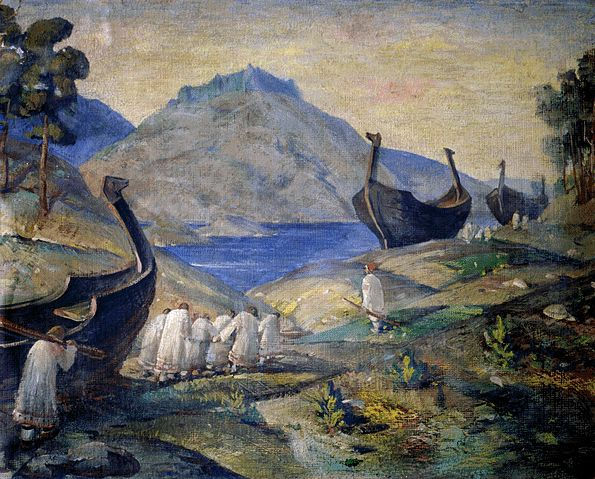
The riverine Viking corridor linking the Baltic Sea across Russian rivers and portages directly to the imperial markets of Byzantine Constantinople.

Key Commodities:
Furs (Sable, Ermine, Beaver)BeeswaxForest HoneyWalrus IvorySlaves (Saqaliba)Byzantine SilkSilver Dirhams
Primary Waystations & Ports:

Birka / Gotland → Staraya Ladoga → Veliky Novgorod → Gnezdovo (Smolensk) → Kyiv → Berezan Island → Constantinople (Miklagard)

overland caravan85,000 km

The Roman Highway Network (Viae Publicae)

Lifespan: 312 BCE – 476 CE

The world’s most celebrated stone-paved road network connecting 300,000 km of civil routes from Hadrian’s Wall to the Euphrates frontier.

Key Commodities:
Legionary ConvoysSpanish Olive Oil (Baetica)Egyptian GrainGaulish WineNumidian MarbleImperial Post (Cursus Publicus)
Primary Waystations & Ports:

Rome (Milliarium Aureum) → Capua → Brundisium → Dyrrhachium → Thessalonica → Constantinople → Massalia → Lugdunum (Lyon) → Tarraco

maritime sea-lane4,500 km

The Hanseatic League Maritime Network

Lifespan: 1150 CE – 1669 CE

The mercantile league of northern German and Baltic guild cities that dominated medieval maritime commerce across the North and Baltic Seas.

Key Commodities:
Baltic Salt Herring (Skåne)Rhenish WineEnglish Woolen ClothFlemish TextilesPrussian Timber & PitchRussian Wax & Furs
Primary Waystations & Ports:

London (Steelyard) → Bruges → Hamburg → Lübeck (Queen of the Hanse) → Visby (Gotland) → Danzig (Gdansk) → Riga → Novgorod (Peterhof)

inland waterway5,500 km

The Volga Trade Route

Lifespan: 750 CE – 1000 CE

The river road by which Scandinavian traders reached the Caspian Sea and the markets of the Abbasid Caliphate, bringing Islamic silver north in great quantity.

Key Commodities:
Silver DirhamsFursSlavesHoney & WaxSwordsAmberSilkSpices
Primary Waystations & Ports:

Birka → Staraya Ladoga → Novgorod → Timerevo (Yaroslavl) → Bolghar → Atil → Derbent → Rayy → Baghdad

Ocean Sea Lanes

Long-distance sailing routes across the Indian Ocean, around the Cape of Good Hope and across the Pacific.

maritime sea-lane15,000 km

Maritime Spice & Incense Routes

Lifespan: 2000 BCE – 1700 CE

The oceanic trade network across the Indian Ocean and Arabian Sea propelled by monsoon winds, linking Southeast Asia’s Spice Islands with Rome, Cairo, and Venice.

Key Commodities:
Black PepperCinnamonClovesNutmegFrankincenseMyrrhTeakwoodIvory
Primary Waystations & Ports:

Malacca → Calicut (Kozhikode) → Muziris → Goa → Ormuz → Aden → Berenike → Alexandria → Venice

maritime sea-lane16,000 km

The Spanish Manila Galleon Circuit

Lifespan: 1565 CE – 1815 CE

The first truly global transoceanic trade circuit, exchanging silver mined in the Americas directly for Chinese silks and porcelain across the Pacific.

Key Commodities:
Potosí & Zacatecas Silver (Real de a 8)Chinese Raw Silk & DamaskMing PorcelainMoluccan SpicesManila Manila HempCarved Ivory
Primary Waystations & Ports:

Manila (Intramuros) → Guam → Cape Mendocino (Landfall) → Acapulco → Mexico City (Camino de Asia) → Veracruz → Havana → Seville / Cadiz

maritime sea-lane20,000 km

The Cape Route (Carreira da Índia)

Lifespan: 1498 CE – 1869 CE

The sea route from Europe around the Cape of Good Hope to India, opened by Vasco da Gama in 1498 and the main link between Europe and Asia until the Suez Canal.

Key Commodities:
Black PepperCinnamonClovesCotton TextilesIndigoPorcelainTeaSilver Bullion
Primary Waystations & Ports:

Lisbon → Madeira → Cape Verde → Cape of Good Hope → Mozambique Island → Mombasa → Malindi → Goa → Calicut → Cochin

Africa and the Americas

The camel caravans of the Sahara and the Inca road system of the Andes.

overland caravan2,500 km

Trans-Saharan Caravan Network

Lifespan: 700 CE – 1900 CE

The daring desert crossing uniting sub-Saharan West African goldfields with Mediterranean merchants, epitomized by Mansa Musa and the scholars of Timbuktu.

Key Commodities:
GoldRock Salt (Taghaza)Kola NutsLeatherManuscriptsSlavesCopper
Primary Waystations & Ports:

Timbuktu → Gao → Djenné → Sijilmasa → Taghaza → Ghadames → Tripoli → Cairo

overland caravan30,000 km

The Qhapaq Ñan (Great Inca Road System)

Lifespan: 1200 CE – 1533 CE

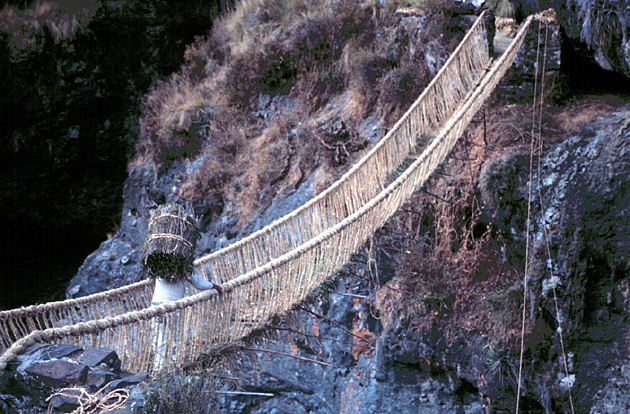
The peerless 30,000-kilometer Inca road network scaling the dizzying spine of the Andes mountains, united by chasqui relay runners and grass suspension bridges.

Key Commodities:
Spondylus Shells ("Thorny Oyster")Alpaca & Vicuña Fine TextilesCoca LeavesFreeze-dried Potatoes (Chuño)Gold & Silver BullionObsidian
Primary Waystations & Ports:

Quito → Tomebamba (Cuenca) → Cajamarca → Huanuco Pampa → Jauja → Cusco (Imperial Navel) → Tiwanaku (Lake Titicaca) → Pachacamac (Coastal) → Mendoza

Photographs via Wikimedia Commons; the licence of each is given on its route page.