Modern States of the Balkans and Greece: Map & History
20 states of the Balkans and Greece on one map, from 1800 CE to 2024 CE.The largest, Kingdom of Romania, covered about 302,753 km²; the longest-lived, First Hellenic Republic, lasted 1822 CE – 1940 CE. Each has its own section below with its rulers, capitals, wars and pictures where the records hold them.
Each state in its own colour. Move the timeline to see which existed in any year from 1800 to 2024; select a territory to read about it. Borders: Cliopatria / Seshat (CC BY 4.0).
The Modern States of the Balkans and Greece Compared
The Septinsular Republic (Greek: Ἑπτάνησος Πολιτεία, romanized: Heptanēsos Politeia; Italian: Repubblica Settinsulare), also known as the Republic of the Seven United Islands, was an oligarchic republic that existed from 1800 to 1807 under nominal Russian and Ottoman sovereignty in the Ionian Islands (Corfu, Paxoi, Lefkada, Cephalonia, Ithaca, Zakynthos or Zante, and Kythira).
The Republic was established after a joint Russo-Ottoman fleet captured the islands and ended a two-year rule by the French Republic.
The Ionian Islands (Corfu, Paxoi, Zakynthos or Zante, Kefalonia, Lefkada, Ithaca, and Kythira or Cerigo) along with a handful of exclaves on the Epirote mainland, namely the coastal towns of Parga, Preveza, Vonitsa, and Butrinto, had been Venetian possessions for centuries, thereby becoming the only part of the Greek world to escape conquest by the Ottoman Empire, developing a distinct local culture, and becoming a place of "dynamic interaction between the West and [...] the Greek East", indeed serving as "Greek culture's window on the West", through which Western European ideas and culture were transmitted to the Greek world.
Read more
Under Venetian rule, the population of the islands was divided into three classes: the privileged nobility, the urban middle class (cittadini) and the commoners (popolari).
Even Corfu was not spared unrest: on 8 June [O.S. 27 May] 1801, bloody riots broke out due to the arrogant behaviour of armed Ottoman soldiers in the city. With its own troops unable to contain the situation—most of the available forces had been shipped to Cephalonia—the Senate handed over authority to the Russians, under Lt. Colonel Karl Hastfert, so as to prevent a general massacre and restore order. The Russian intervention calmed the situation, but the Senate requested that the Ottomans remove their troops from the island. Conversely, when the Russians announced their intention of removing their own troops, the Senate president Theotokis implored the Russian to remain and ensure the islands' domestic tranquility and external security. Nevertheless, on 25 August 1801, the occupying powers officially handed over control of the fortresses and departed.
Federal oligarchic assembly-independent republic (de jure until 1806), Federal oligarchic directorial republic (de jure from 1806)
Languages
Greek, Italian
Religion
Eastern Orthodox Church
Coins, Currency and Symbols
Currency
Ionian gazeta
Flag of the Septinsular RepublicOrange Tuesday · Public domain · Commons
Septinsular republic flag1800-1807Septinsular Republic · Public domain · Commons
Wars and Battles
Berthier moved swiftly to abolish the Republic's attributes as an independent state: the French flag was hoisted, all public officials and soldiers took an oath of allegiance to Napoleon, the embassies and agencies of the Republic abroad were abolished, and all domestic bodies apart from the courts and the Senate as well. These measures annoyed Napoleon, who replaced Berthier as Governor-General with François-Xavier Donzelot. His chief task, according to the instructions sent by Napoleon, was to defend the islands, and above all Corfu, against the mounting British threat.
In the meantime, the shifting alliances in Europe impacted the Republic as well, with Ottoman Turkey drifting away from Russia, and towards France. On 6 January 1807, the Ottoman Porte notified the Republic of the declaration of war with Russia. As de jure the Republic was an Ottoman vassal, the Porte demanded the Ionian Islands' adherence to the Ottoman camp against Russia. France followed by recalling its envoy and terminating its diplomatic relations with the Republic. Under Mocenigo's tutelage, the Ionian Senate on 17 June 1807 declared the end of the Republic's neutrality towards France, effectively bringing the islands into the War of the Fourth Coalition on the side of Russia.
Read more
This situation was exploited by Ali Pasha, whose ambition to occupy the Ionian Islands was well known and had received Napoleon's backing, as the Republic was now in the Russian orbit.
Serbs (Serbian: Срби, Srbi, pronounced [sr̩̂bi]), are a South Slavic ethnic group and nation who share a common Serbian ancestry, culture, history, and language. They live primarily in their nation-state of Serbia, and in neighboring Bosnia and Herzegovina, Montenegro, Croatia, and Kosovo, with smaller communities in North Macedonia, Romania, and Hungary, while also constituting a significant diaspora with communities across Europe, the Americas, and Oceania.
According to a three genetic systems – paternal, maternal, and autosomal – of available data from large-scale studies on Balto-Slavs and their proximal populations, the whole genome SNP data place Serbs in the middle between a Western South Slavic cluster (Croats, Bosniaks and Slovenes) and Eastern South Slavic cluster (Macedonians and Bulgarians). The western cluster has an inclination toward Hungarians, Czechs, and Slovaks, while the eastern cluster toward Romanians and, to some extent, Greeks.
Read more
Y chromosome results show that haplogroups I2a and R1a together account for the majority of the Serb makeup. Recent studies indicate that roughly half of Serbian I2a lineages trace their recent origin to Herzegovina/Old Herzegovina, reflecting strong historical gene flow from that region.
Serbs are the titular people and largest ethnic group in Serbia, their nation-state, numbering 5.3 million and making up 80.6% of the population. The Serb population in countries and territories bordering Serbia is approximately 1.5 million, almost identical to the estimated 1.6 million Serbs living in the diaspora.
Read more
Serbs in the countries and territories bordering Serbia, commonly termed Срби у Региону / Srbi u Rеgionu (lit. "Serbs in the Region"), are not regarded as part of the Serb diaspora, since they constitute autochthonous communities that have the legal status of recognized ethnic minorities or, in Bosnia and Herzegovina, one of the constituent peoples. Serbs in Bosnia and Herzegovina and Serbs in Montenegro are the second-largest ethnic group in their respective countries and constitute about one-third of the population in each.
Serbian American mechanical and electrical engineer Nikola Tesla is widely regarded as one of the greatest inventors in history, celebrated especially for his revolutionary work on alternating current (AC) electricity and magnetism. Physicist and electrical engineer Mihajlo Pupin developed the landmark theory of modern electrical filters and held numerous patents. Astronomer Milutin Milanković formulated the theory of long-term climate change driven by variations in Earth’s orbit and axis, now known as Milankovitch cycles. Roger Joseph Boscovich, a Ragusan physicist, astronomer, mathematician and polymath of paternal Serbian origin, produced a precursor of atomic theory, made many contributions to astronomy and discovered the absence of atmosphere on the Moon.
1812 CE – 1813 CE · Capital: Chișinău · 42,009 km²
Акерманська фортеця (комплекс), Білгород-Дністровський, фортецяДмитро Ровчак · CC BY-SA 3.0 · Commons
Bessarabia is a historical region in Eastern Europe, bounded by the Dniester river on the east and the Prut river on the west. About two thirds of Bessarabia lies within modern-day Moldova, with the Budjak region covering the southern coastal region and part of the Ukrainian Chernivtsi Oblast covering a small area in the north.
In the late 14th century, the newly established Principality of Moldavia encompassed what later became known as Bessarabia.
According to Wim P. van Meurs, after 1918 Bessarabia remained for a long time in a state of emergency, under a military administration, due to border incidents and agitation among the peasantry and the minorities. Strict censorship was imposed in order to restrain Bolshevik propaganda. Three major revolts or Soviet raids took place in the province during the first decade of Romanian rule. In January 1919, local peasants, with support from across the Dniester, rebelled against the Romanian army in the area of Hotin. A similar uprising took place later that year in Tighina. While in the first case Soviet participation is not documented, the latter was probably a Soviet raid, though van Meurs indicates it was most likely a local initiative not coordinated with the central government in Moscow.
At the beginning of World War I, around 80% of the population worked in agriculture. While the Sfatul Țării envisioned distributing land freely to the peasants, Romanian pressure resulted in a significant modification of the plans, bringing the reform more in line with similar ones taking place in the Old Kingdom and Transylvania. While more radical than elsewhere, as it provided lower payments, lower limits for land exempt from expropriation and larger plots, the Romanian land reform also reverted some of the ad-hoc land distribution that had taken place during the Russian Revolution, raising discontent among the peasantry.
The Soviet Union did not recognize the incorporation of Bessarabia into Romania and throughout the entire interwar period engaged in attempts to undermine Romania and diplomatic disputes with the government in Bucharest over this territory. The Molotov–Ribbentrop Pact was signed on August 23, 1939. By Article 4 of the secret Annex to the Treaty, Nazi Germany recognized Bessarabia as belonging to the Soviet "sphere of interest".
Read more
In the spring of 1940, Western Europe was overrun by Germany. With world attention focused on those events, on June 26, 1940, the USSR issued a 24-hour ultimatum to Romania, demanding immediate cession of Bessarabia and Northern Bukovina under threat of war. Romania was given four days to evacuate its troops and officials.
sponsored Russian or Ukrainian schools and only one each in private hands. In 1939, after the German and Soviet attacks on Poland, the government reverted on its earlier policy and decided to reintroduce minority language classes in state schools and allow a greater degree of cultural expression for the Slavic minorities, in an effort to improve its image among the local population.
Read more
Also, during the interwar period, the foundations were laid for the first higher education institutions in Bessarabia. In 1926, the Faculty of Theology was established in Chișinău, followed by the National Conservatory in 1928, and the Faculty of Agricultural Sciences in 1933. The two faculties were sections of the University of Iași, in pre-war Romania.
1822 CE – 1940 CE · Capital: Nafplio (officially from 1827) · 206,605 km²
Nafplio photocollageFilipposTrains (compilation, sources to attribute see above; if any of the sources used in the Montage are removed from Wikimedia Commons, or better ones are… · CC BY-SA 4.0 · Commons
The First Hellenic Republic (Greek: Α΄ Ελληνική Δημοκρατία) was the provisional Greek state during the Greek Revolution against the Ottoman Empire. From 1822 until 1827, it was known as the Provisional Administration of Greece, and between 1827 and 1832, it was known as the Hellenic State.
These were replaced by a central administration at the First National Assembly of Epidaurus in early 1822, which also adopted the first Greek Constitution, marking the birth of the modern Greek state. The councils continued in existence, however, and central authority was not firmly established until 1824/25. The new state was not recognized by the Great Powers of the day, which, after initial successes, was threatened with collapse both from within due to civil war and from without through the victories of the Turco-Egyptian army of Ibrahim Pasha.
Read more
By 1827, the Greek revolution had almost been extinguished on the mainland excluding Nafplio, Mani and other mountainous regions of Peloponnese and Roumeli, but by this time the Great Powers had come to agree to the formation of an autonomous Greek state under Ottoman suzerainty, as stipulated in the Treaty of London.
The United Principalities of Moldavia and Wallachia (Romanian: Principatele Unite ale Moldovei și Țării Românești), commonly called United Principalities or Wallachia and Moldavia, was the personal union of the Principality of Moldavia and the Principality of Wallachia. The union was formed on 5 February [O.S. 24 January] 1859 when Alexandru Ioan Cuza was elected as the Domnitor (Ruling Prince) of both principalities. Their separate autonomous vassalage in the Ottoman Empire continued with the unification of both principalities.
As a historical term designating the pre-Union Principalities of Moldavia and Wallachia, sometimes including the Principality of Transylvania, the term "Romanian Principalities" dates back to the beginnings of modern Romanian history in the mid-19th century. It was subsequently used by Romanian historians as an alternative to the much older term "Romanian Lands". English use of "Romanian Principalities" is documented from the second half of the 19th century.
Read more
In the period between the late 18th century and the 1860s, Danubian Principalities was used, a term that sometimes included Serbia, but not Transylvania. In contrast, use of "Romanian Principalities" sometimes included Transylvania but never Serbia.
Fentről lefelé, jobbról balra: a Trei Ierarhi-templom, a kultúrpalota, a Nemzeti Színház, a francia nagykövetség épülete és a Mihai Eminescu Egyetem könyvtárának épületeSNRTZ · CC BY-SA 4.0 · Commons
1880 CE – 1944 CE · Capital: Plovdiv, (1878) (Provisional Russian Administration in Bulgaria), Sofia, (1878–1908) (Provisional Russian Administration in Bulgaria until June 1879), Tarnovo, (1879) (Bulgarian Constituent Assembly election, 1879) · 171,194 km²
König Ferdinand in Guarde Uniform gekleidet, vermutlich während des Ersten BalkankriegUnknown authorUnknown author · Public domain · Commons
The Principality of Bulgaria (Bulgarian: Княжество България, romanized: Knyazhestvo Balgariya) was a vassal state under the suzerainty of the Ottoman Empire. It was established by the Treaty of Berlin in 1878.
After the Russo-Turkish War ended with a Russian victory, the Treaty of San Stefano was signed by Russia and the Ottoman Empire on 3 March 1878.
In 1396 the Bulgarian–Ottoman Wars ended with the fall of the Bulgarian Empire, due to the Ottoman invasion of the Balkans and its own internal divisions. Under Ottoman rule, the Bulgarian nobility was destroyed and the national consciousness suppressed. The Bulgarian National Revival, emerging in the late 18th century, revived Bulgarian identity and stoked the idea of creating a new Bulgarian state. Numerous revolutionary movements and uprisings against the Ottomans occurred alongside similar movements in the rest of the Balkans, culminating in the Russo-Turkish War of 1877 to 1878.
Aerial view of the Old Venetian Harbour in Chania, Greecedronepicr · CC BY 2.0 · Commons
The Cretan State (Greek: Κρητική Πολιτεία, romanized: Kritiki Politeia; Ottoman Turkish: كرید دولتی, romanized: Girid Devleti) was an autonomous state governing the island of Crete from 1898 to 1913, under de jure suzerainty of the Ottoman Empire but with de facto independence secured by European Great Powers. In 1897, the Cretan Revolt led the Ottoman Empire to declare war on Greece, which led the United Kingdom, France, Italy and Russia to intervene on the grounds that the Ottoman Empire could no longer maintain control.
In February 1897, the Great Powers decided to restore order by governing the island temporarily through an "Admirals Council" consisting of admirals from the six powers making up the International Squadron. Through naval bombardments of Cretan insurgent forces, by placing sailors and marines ashore to occupy key cities, and by establishing a blockade of Crete and key ports in Greece, the International Squadron brought organized fighting on Crete to an end by the end of March 1897, although the insurrection continued. Soldiers from the armies of five of the powers (Germany declined to send any) arrived to occupy key Cretan cities in late March and April 1897. Thereafter, the Admirals Council focused on a negotiated settlement that would bring the insurrection to an end without bringing Ottoman governance of Crete to an end, but this proved impossible.
Greek Orthodox (prevailing religion), Sunni Islam (recognised), Judaism
Coins, Currency and Symbols
Currency
Cretan drachma
Flag of Cretan StateVectorization: Froztbyte · Public domain · Commons
Coat of arms of the Cretan StateRoyal_Coat_of_Arms_of_Greece_(variant).svg: Sodacan This W3C-unspecified vector image was created with Inkscape . Osmanli-nisani.svg: Juris Tiltins derivative w · CC BY-SA 3.0 · Commons
Kingdom of Romania
1919 CE – 1947 CE · Capital: Bucharest · 302,753 km²
Fentről lefelé, jobbról balra: a Trei Ierarhi-templom, a kultúrpalota, a Nemzeti Színház, a francia nagykövetség épülete és a Mihai Eminescu Egyetem könyvtárának épületeSNRTZ · CC BY-SA 4.0 · Commons
The Kingdom of Romania (Romanian: Regatul României) was a constitutional monarchy that existed from 25 March [O.S. 13 March] 1881 with the crowning of prince Karl of Hohenzollern-Sigmaringen as King Carol I (thus beginning the Romanian royal family), until 30 December 1947 with the abdication of King Michael I and the Romanian Parliament proclamation of the Romanian People's Republic.
Mihail Sadoveanu1947–1948 CEStudio Victory 39, Bucharest; Publisher: Biblioteca Judeţeană "Octavian Goga" Cluj / "Octavian Goga" Cluj County Library · Public domain · Commons
Government, Society and Religion
While the Romanian nobility had a long tradition of sending their sons to Europe's finest schools, the educated were otherwise a tiny minority. Transylvania had the most educated population in Greater Romania, while Bessarabia fared the worst. While legally all Romanians were required to undergo at least four years of schooling, in practice few actually did and the system was designed to separate those who would go on to higher education from those who would not. While this was partially necessary due to limited resources, it ensured that peasants had almost no chance of becoming educated.
Read more
High school and college education in Romania was modeled after the French system. Students undertook a rigid curriculum based around the liberal arts.
Romanian military industry during World War I was mainly focused on converting various fortification guns into field and anti-aircraft artillery. Up to 334 German 53 mm Fahrpanzer guns, 93 French 57 mm Hotchkiss guns, 66 Krupp 150 mm guns and dozens more 210 mm guns were mounted on Romanian-built carriages and transformed into mobile field artillery, with 45 Krupp 75 mm guns and 132 Hotchkiss 57 mm guns being transformed into anti-aircraft artillery. The Romanians also upgraded 120 German Krupp 105 mm howitzers, the result being the most effective field howitzer in Europe at that time. Romania even managed to design and build from scratch its own model of mortar, the 250 mm Negrei Model 1916. Other Romanian technological assets include the building of Vlaicu III, the world's first aircraft made of metal. The Romanian Navy possessed the largest warships on the Danube.
Kingdom of Romania - Big CoARăzvan Pala, with suggestions and corrections by Alex Daneş · CC BY 3.0 · Commons
Wars and Battles
Romania delayed in entering World War I, but ultimately declared war on the Central Powers in 1916. The Romanian military campaign ended in stalemate when the Central Powers quickly crushed the country's offensive into Transylvania and occupied Wallachia and Dobruja, including Bucharest and the strategically important oil fields, by the end of 1916. In 1917, despite fierce Romanian resistance, especially at the Battle of Mărășești, due to Russia's withdrawal from the war following the October Revolution, Romania, being almost completely surrounded by the Central Powers, was forced to also drop from the war, signing the Armistice of Focșani and next year, in May 1918, the Treaty of Bucharest.
Prince Aimone of Savoy, King of Croatia, 4th Duke of Aosta (b.1900-d.1948)Vanzanten, edited by F l a n k e r · Public domain · Commons
The Independent State of Croatia (Croatian: Nezavisna Država Hrvatska, NDH) was a World War II–era quasi-state. It was a protectorate of Fascist Italy from 1941 to 1943, and a puppet state of Nazi Germany from 1941 to 1945. It was established in parts of occupied Yugoslavia on 10 April 1941, after the invasion of the country by the Axis powers. Its territory consisted mostly of modern-day Croatia and Bosnia and Herzegovina, as well as some parts of modern-day Serbia and Slovenia, but also excluded many Croat-populated areas in Dalmatia, Istria, and Međimurje.
Following the attack of the Axis powers on the Kingdom of Yugoslavia in 1941, and the quick defeat of the Royal Yugoslav Army (Jugoslavenska Vojska), the country was occupied by Axis forces. The Axis powers offered Vladko Maček the opportunity to form a government, since Maček and his party, the Croatian Peasant Party (Croatian: Hrvatska seljačka stranka – HSS) had the greatest electoral support among Yugoslavia's Croats – but Maček refused that offer.
Read more
On 10 April 1941 the German army took control in Zagreb. With their support, retired lieutenant-colonel Slavko Kvaternik, deputy leader of the Ustaše, declared the creation of the Independent State of Croatia (Nezavisna Država Hrvatska – NDH) "in the name of Croats and the header [sic] (poglavnik) Ante Pavelić".
Ante Pavelić1943–1945 CEUnknown authorUnknown author · Public domain · Commons
Government, Society and Religion
The NDH founded the Army of the Independent State of Croatia (Serbo-Croatian: Hrvatsko domobranstvo) and Navy of the Independent State of Croatia in April 1941 with the consent of the German armed forces (Wehrmacht). The task of the armed forces was to defend the state against both foreign and domestic enemies. The Army included an air force. The NDH also created the Ustaška Vojnica (Ustaše Militia) which was conceived as a party militia, and a gendarmerie. The Army was originally limited to 16 infantry battalions and 2 cavalry squadrons – 16,000 men in total. The original 16 battalions were soon enlarged to 15 infantry regiments of two battalions each between May and June 1941, organised into five divisional commands, some 55,000 men.
Fascist one-party dictatorship, (1941–1945) under a constitutional monarchy, (1941–1943)
Languages
Latin
Religion
State religions: ~56.2% Roman Catholicism, 11.1% Islam, Unknown number Croatian Orthodox, Other religions: 30.6% Serbian Orthodox, 0.6% Judaism, ~1.5% other
Economy and Trade
The economy of the Independent State of Croatia was largely subordinated to the economic interests of Nazi Germany and Fascist Italy, and had to meet significant obligations to them. The dominant power was Nazi Germany, which demanded supplies of raw materials from the NDH in order to support the German economy and its war effort. The Croatian workforce was also seen as a potential replacement for some of the German workers who had been recruited into the military and were sent off to war. An economic agreement signed in May 1941 provided Germany with unrestricted access to industrial raw materials in the NDH, and obligated the NDH to bear the costs of German military units stationed on its territory; this was a very large burden given the small size of the Croatian economy.
Soon after the establishment of the NDH, the Yugoslav Academy of Science and Arts in Zagreb was renamed the Croatian Academy of Sciences and Arts. The country had four state theatres: in Zagreb, Osijek, Dubrovnik and Sarajevo. The Croatian State Theatre in Zagreb played host to the Berlin Philharmonic and the Teatro dell'Opera di Roma in the 1941–42 season. Volumes two to five of Mate Ujević's Croatian Encyclopedia were published during this period. The Velebit Publishing House (Nakladna knjižara "Velebit"), named for the Velebit uprising, published pro-Axis works, including Japanac o Japanu [A Japanese on Japan] by the Japanese chargé d'affaires, Kazuichi Miura.
In August 1944, there was an attempt by the NDH Foreign Minister Mladen Lorković and Minister of War Ante Vokić to execute a coup d'état against Ante Pavelić so as to separate from the Axis and align with the Allies. The Lorković-Vokić coup failed and its conspirators were executed. By early 1945, the NDH army withdrew towards Zagreb with German and Cossack troops. They were overpowered and the advance of Tito's Partisan forces, joined by the Soviet Red Army, caused a mass retreat of the Ustaše towards Austria and effectively an end to the Independent State of Croatia. Pavelić himself, too, fled, even though he had vowed to fight in Zagreb till the bitter end.
At the time of the invasion of Yugoslavia by Nazi Germany, Adolf Hitler was uneasy with Mussolini's agenda of creating a puppet Croatian state, and preferred that areas outside of Italian territorial aims become part of Hungary as an autonomous territory. This would appease Nazi Germany's ally Hungary and its nationalist territorial claims. Germany's position on Croatia changed after its invasion of Yugoslavia in 1941. The invasion was spearheaded by a strong German invasion force which was largely responsible for the capture of Yugoslavia. Military forces from other Axis powers, included Italy, Hungary, and Bulgaria.
Read more
The invasion was precipitated by the need for German forces to reach Greece to save Italian forces, which were failing on the battlefield against the Greek armed forces.
Stjepan Stevo FilipovićProbably Slobodanka Vasić [2] · Public domain · Commons
The Yugoslav Partisans, officially the National Liberation Army and Partisan Detachments of Yugoslavia (often shortened as the National Liberation Army) was the communist-led anti-fascist resistance to the Axis powers (chiefly Nazi Germany) in occupied Yugoslavia during World War II. Led by Josip Broz Tito, the Partisans were Europe's most effective anti-Axis resistance movement during World War II.
During the April invasion of Yugoslavia, the leadership of the Communist Party was in Zagreb, together with Josip Broz Tito. After a month, they left for Belgrade. While the Molotov–Ribbentrop Pact between Germany and the Soviet Union was in effect, the communists refrained from open conflict with the new regime of the Independent State of Croatia. In these first two months of occupation, they extended their underground network and began amassing weapons. In early May 1941, a so-called May consultations of Communist Party officials from across the country, who sought to organize the resistance against the occupiers, was held in Zagreb. In June 1941, a meeting of the Central Committee of KPJ was also held, at which it was decided to start preparations for the uprising.
Read more
Operation Barbarossa, the Axis invasion of the Soviet Union, began on 22 June 1941.
The Yugoslav Partisans mobilized many women. The Yugoslav National Liberation Movement claimed 6,000,000 civilian supporters; its two million women formed the Antifascist Front of Women (AFŽ), in which the revolutionary coexisted with the traditional. The AFŽ managed schools, hospitals and even local governments. About 100,000 women served with 600,000 men in Tito's Yugoslav National Liberation Army. It stressed its dedication to women's rights and gender equality and used the imagery of traditional folklore heroines to attract and legitimize the partizanka (pl. partizanke; Partisan Woman). Members included figures such as Judita Alargić.
Read more
After the war, traditional gender roles were reinstated, but Yugoslavia is unique as its historians paid extensive attention to women's roles in the resistance, until the country broke up in the 1990s. Then the memory of the women soldiers faded away.
Flag of Yugoslavia (1943–1946)See File history below for details. · Public domain · Commons
Wars and Battles
The Partisans massacred civilians during and after the war. On 27 July 1941, Partisan-led units massacred around 100 Croat civilians in Bosansko Grahovo and 300 in Trubar during the Drvar uprising against the NDH. Between 5–8 September 1941, some 1,000–3,000 Muslim civilians and soldiers, including 100 Croats were massacred by the Partisan Drvar Brigade. A number of Partisan units, and the local population in some areas, engaged in mass murder in the immediate postwar period against POWs and other perceived Axis sympathizers, collaborators, and/or fascists along with their relatives, including children. These infamous massacres include the Foibe massacres, Tezno massacre, Macelj massacre, Kočevski Rog massacre, Barbara Pit massacre and the communist purges in Serbia in 1944–45.
The Partisan legacy is the subject of considerable debate and controversy due to the rise of ethnic nationalism in the late 1980s and early 1990s. Historical revisionism following the breakup of Yugoslavia has rendered the movement ideologically incompatible within the post-communist sociopolitical framework. This revisionist historiography has caused the Partisans' role in World War II to be generally ignored, disparaged or attacked within successor states.
Read more
Despite social changes commemorative tributes to the Partisan struggle are still observed throughout the former Yugoslavia, and are attended by veteran associations, descendants, yugo-nostalgics, Titoists, leftists and sympathisers.
1945 CE – 1966 CE · Capital: Nafplio (1832–1834), Athens (1834–1973) · 122,017 km²
George II of GreeceUnited States Office of War Information, Overseas Picture Division, Washington Division. · Public domain · Commons
The Kingdom of Greece (Greek: Βασίλειον τῆς Ἑλλάδος, romanised: Vasíleion tis Elládos, pronounced [vaˈsili.on tis eˈlaðos]) was the Greek state established in 1832 by the Treaty of Constantinople, which formally recognised Greece as an independent state and established it as a monarchy, following the Greek War of Independence.
It succeeded the First Hellenic Republic and was internationally recognised by the Treaty of Constantinople, through which Greece secured full independence from the Ottoman Empire after nearly four centuries.
The Greek-speaking Eastern Roman Empire, also known as the Byzantine Empire, which ruled most of the Eastern Mediterranean region for over 1100 years, had been fatally weakened since the sacking of Constantinople by the Latin Crusaders in 1204.
Read more
The Ottomans captured Constantinople in 1453 and advanced southwards into the Balkan peninsula capturing Athens in 1458. The Greeks held out in the Peloponnese until 1460, and the Venetians and Genoese clung to some of the islands, but by 1500 most of the plains and islands of Greece were in Ottoman hands; while in contrast, the mountains and highlands of Greece were largely untouched, and were a refuge for Greeks to flee foreign rule and engage in guerrilla warfare.
The first constitution of the Kingdom of Greece was the Greek Constitution of 1844. On 3 September 1843, the military garrison of Athens, with the help of citizens, rebelled and demanded from King Otto the concession of a constitution.
Read more
The Constitution that was proclaimed in March 1844 came from the workings of the "Third of September National Assembly of the Hellenes in Athens" and was a Constitutional Pact, in other words, a contract between the monarch and the Nation. This Constitution re-established the Constitutional Monarchy and was based on the French Constitution of 1830 and the Belgian Constitution of 1831.
Absolute monarchy, (1832–1844), Parliamentary semi-constitutional monarchy, (1844–1924; 1935–1941; 1944–1973), under a military dictatorship, (1936–1941; 1967–1973)
Languages
Greek
Religion
Greek Orthodoxy (official)
Population
926000
Economy and Trade
Greece suffered comparatively much more than most Western European countries during the Second World War due to a number of factors. Heavy resistance led to immense German reprisals against civilians. Greece was also dependent on food imports, and a British naval blockade coupled with transfers of agricultural produce to Germany resulted in famine. It is estimated that the Greek population declined by 7% during the Second World War. Greece experienced hyperinflation during the war. In 1943, prices were 34,864% higher compared to those of 1940; in 1944, prices were 163,910,000,000% higher compared to the 1940 prices.
State Flag of Greece (1863-1924 and 1935-1973)User:peeperman · Public domain · Commons
Coat of Arms of Greece (1936-1967)Royal_Coat_of_Arms_of_Greece.svg: Sodacan derivative work: Sodacan (talk) · CC BY-SA 3.0 · Commons
Wars and Battles
In March 1913, an anarchist, Alexandros Schinas, assassinated King George in Thessaloniki, and his son came to the throne as Constantine I. Constantine was the first Greek king born in Greece and the first to be Greek Orthodox. His very name had been chosen in the spirit of romantic Greek nationalism (the Megali Idea), evoking the Byzantine emperors of that name. Besides, as the Commander-in-chief of the Greek Army during the Balkan Wars, his popularity was enormous, rivalled only by that of Venizelos, his Prime Minister.
Read more
When World War I broke out in 1914, despite Greece's treaty of alliance with Serbia, both leaders preferred to maintain a neutral stance.
Cinema first appeared in Greece in 1896 at the Summer Olympics, but the first actual cine-theatre was opened in 1907. In 1914 the Asty Films Company was founded and the production of long films begun. Golfo (Γκόλφω), a well known traditional love story, is the first Greek long movie, although there were several minor productions such as newscasts before this. In 1931 Orestis Laskos directed Daphnis and Chloe (Δάφνις και Χλόη), contained the first nude scene in the history of European cinema; it was also the first Greek movie which was played abroad. In 1944 Katina Paxinou was honoured with the Best Supporting Actress Academy Award for For Whom the Bell Tolls.
Read more
The 1950s and early 1960s are considered by many as the Greek Golden age of Cinema.
During the Civil war (1946–1949) but even more after that, the parties in the parliament were divided into three political concentrations. The political formation Right-Centre-Left, given the exacerbation of political animosity that had preceded dividing the country in the 1940s, tended to turn the concurrence of parties into ideological positions.
Read more
At the beginning of the 1950s, the forces of the Centre (EPEK) succeeded in gaining the power and under the leadership of the aged general Nikolaos Plastiras they governed for about half a four-year term. These were a series of governments having limited manoeuvre ability and inadequate influence in the political arena. This government, as well as those that followed, was constantly under the American auspices.
Tirana from South with Artificial Lake and Great Park in the frontAlbinfo · CC BY-SA 3.0 · Commons
The People's Socialist Republic of Albania (Albanian: Republika Popullore Socialiste e Shqipërisë) was the communist state that existed in Albania from 11 January 1946 to 29 April 1991. Originally founded as the People's Republic of Albania from 1946 to 1976, it was governed by the Party of Labour of Albania (PPSh), which had a constitutionally enshrined monopoly on state power.
The PPSh enforced its monopoly on state power by controlling the state and other mass organizations, and by controlling Albania's supreme organ of state power, the People's Assembly.
During its communist era, Albania was governed by the Party of Labor of Albania which defined itself as a Stalinist party. All oppositional parties were banned and Albania was governed predominantly as a totalitarian dictatorship.
Read more
According to the Albanian constitution of 1976, legislative powers were vested in the People's Assembly, which the constitution described as "the supreme organ of state power". Its competences included directing the internal and external policies of Albania, approving and amending the constitution and laws, approving plans for economic and cultural development as well as state budget, ratifying international treaties, granting amnesty, defining the "administrative and territorial structure", and deciding on popular referendums. It also elected and dismissed the Presidium of the Peoples Assembly, the Council of Ministers, and the Supreme Court of Albania.
Having emerged as Europe's poorest nation in the post-war period, Albania embarked on a radical economic postwar program along the lines of Stalinism.
Read more
Beginning as early as 1945, Albania issued the agrarian reform law which saw private landholdings confiscated by the state and dismantled, although the collectivization of agriculture was the slowest sector to be government-owned in Albania, due to the rugged terrain, and was not completed until 1967. In 1946, the communist regime targeted private business owners, taxing them at prohibitive levels in order to expropriate their enterprises and bring them under state control. By 1947, the state had taken control of all domestic industry.
By 1951, Albania had effectively wiped out any semblance of a market economy and instead replaced it with a centrally planned economy, modeled along the lines of Stalin's USSR.
Flag of Albania (1946–1992)Sadik Kaceli · Public domain · Commons
State Emblem of the People's Republic of AlbaniaOriginal design Sadik Kaceli Vectorized by Kj1595 · Public domain · Commons
Wars and Battles
The Albanian People's Army (Albanian: Ushtria Popullore Shqiptare, UPSh) was the term for the national army of the People's Socialist Republic of Albania from 1946 to 1990. After withdrawing from Warsaw Pact activities in 1968, it conducted a self-reliance policy for national defence. It was dissolved in 1990 and is retained in its current form through the Albanian Armed Forces.
In the mid-1960s, Albania's leaders grew wary of a threat to their power by a burgeoning bureaucracy. Party discipline had eroded. People complained about malfeasance, inflation, and low-quality goods. Writers strayed from the orthodoxy of socialist realism, which demanded that art and literature serve as instruments of government and party policy. As a result, after Mao Zedong unleashed the Cultural Revolution in China in 1966, Hoxha launched his own Cultural and Ideological Revolution. The Albanian leader concentrated on reforming the military, government bureaucracy, and economy as well as on creating new support for his system. The regime abolished military ranks, reintroduced political commissars into the military, and renounced professionalism in the army.
The policies which were pursued by Enver Hoxha and his followers influenced political and economic thought around the world. Thus, Hoxhaist parties were founded in many countries and they based their ideology on Enver Hoxha's ideas as to how a communist state should be constructed and embraced his strict adherence to Marxism–Leninism. Following the fall of the People's Socialist Republic of Albania in 1991, the Hoxhaist parties regrouped as an international conference and the publication Unity and Struggle.
Read more
Encyclopædia Britannica emphasizes that "Hoxha's modernization program aimed to transform Albania from a backward agrarian country into a modern industrial society, and indeed, within four decades, Albania made respectable, even historic, progress in the development of industry, agriculture, education, arts and culture.
The Socialist Federal Republic of Yugoslavia, known from 1945 to 1963 as the Federal People's Republic of Yugoslavia, and commonly referred to as Yugoslavia, was a country in Central and Southeast Europe. It was established in 1945, following World War II, and lasted until 1992, dissolving amid the onset of the Yugoslav Wars. Spanning an area of 255,804 square kilometres (98,766 sq mi) in the Balkans, Yugoslavia was bordered by the Adriatic Sea and Italy to the west, Austria and Hungary to the north, Bulgaria and Romania to the east, and Albania and Greece to the south.
Under Tito, Yugoslavia adopted a policy of nonalignment in the Cold War. It developed close relations with developing countries by having a leading role in the Non-Aligned Movement, as well as maintaining cordial relations with the United States and Western European countries. Stalin considered Tito a traitor and openly offered condemnation towards him. Yugoslavia provided major assistance to anti-colonialist movements in the Third World. The Yugoslav delegation was the first to bring the demands of the Algerian National Liberation Front to the United Nations. In January 1958, the French Navy boarded the Slovenija cargo ship off Oran, whose holds were filled with weapons for the insurgents.
Despite their common origins, the socialist economy of Yugoslavia was much different from the economy of the Soviet Union and the economies of the Eastern Bloc, especially after the Yugoslav–Soviet break-up of 1948. Though they were state-owned enterprises, Yugoslav companies were nominally collectively managed by the employees themselves through workers' self-management, albeit with state oversight dictating wage bills and the hiring and firing of managers. The occupation and liberation struggle in World War II left Yugoslavia's infrastructure devastated. Even the most developed parts of the country were largely rural, and the little industry the country had was largely damaged or destroyed.
Yugoslav 1 Dinar, 1965David Bjorgen · Public domain · Commons
Currency
Yugoslav dinar
Suma od preko 16.000 dinara isplaćena 15. oktobra 1944. godineNepoznat/ Unknown · CC BY-SA 4.0 · Commons
Flag of Yugoslavia (1946-1992)Flag designed by Đorđe Andrejević-Kun[3]SVG coding: Zscout370 · Public domain · Commons
Emblem of Yugoslavia (1963–1992)Đorđe Andrejević-Kun · Public domain · Commons
Wars and Battles
On 6 April 1941, Yugoslavia was invaded by the Axis powers led by Nazi Germany; by 17 April 1941, the country was fully occupied and was soon carved up by the Axis. Yugoslav resistance was soon established in two forms, the Royal Yugoslav Army in the Homeland and the Communist Yugoslav Partisans. The Partisan supreme commander was Josip Broz Tito. Under his command, the movement soon began establishing "liberated territories" that attracted the occupying forces' attention. Unlike the various nationalist militias operating in occupied Yugoslavia, the Partisans were a pan-Yugoslav movement promoting the "brotherhood and unity" of Yugoslav nations and representing the Yugoslav political spectrum's republican, left-wing, and socialist elements.
The Yugoslav rock scene, which emerged in the late 1950s, generally followed Western European and American trends, with influences from local traditional music and poetic tradition. During the 1960s, rock music saw little criticism coming from communist authorities, and much more from conservative cultural circles. By the end of the decade, Yugoslav rock scene was well-covered in the media, with a number of festivals, music magazines, and radio and TV shows dedicated to Yugoslav and international rock scene. During the 1970s, rock music was accepted by the Yugoslav public as the music of the Yugoslav youth and an artistic form, with a number of bands enjoying large mainstream popularity and attention of the media.
After a period of political and economic crisis in the 1980s, the constituent republics of Yugoslavia split apart in the early 1990s. Unresolved issues from the breakup caused a series of inter-ethnic Yugoslav Wars from 1991 to 2001 which primarily affected Bosnia and Herzegovina, neighbouring parts of Croatia and, some years later, Kosovo.
Read more
Following the Allied victory in World War II, Yugoslavia was set up as a federation of six republics, with borders drawn along ethnic and historical lines: Bosnia and Herzegovina, Croatia, Macedonia, Montenegro, Serbia, and Slovenia. In addition, two autonomous provinces were established within Serbia: Vojvodina and Kosovo. Each of the republics had its own branch of the League of Communists of Yugoslavia party and a ruling elite, and any tensions were solved on the federal level.
In 2001, former constituent republics reached the partially implemented Agreement on Succession Issues of the Former Socialist Federal Republic of Yugoslavia that became effective on 2 June 2004.
Read more
All of the successor states are or were candidates for European Union membership, with Slovenia and Croatia being the two who have already joined the union. Slovenia joined in 2004, and Croatia followed in 2013. Bosnia and Herzegovina, North Macedonia, Montenegro and Serbia are official candidates for a potential future enlargement of the European Union, while Kosovo submitted its application for membership in 2022 and has since been considered a potential candidate. All states of the former Yugoslavia have also subscribed to the Stabilisation and Association Process with the EU.
Boris III of BulgariaDimitar Karastoyanov · Public domain · Commons
The Tsardom of Bulgaria, also known as the Third Bulgarian Tsardom, commonly known in English as the Kingdom of Bulgaria, or simply Bulgaria, was a constitutional monarchy in Southeastern Europe, which was established on 5 October [O.S. 22 September] 1908, when the Bulgarian state was raised from a principality to a tsardom.
Despite the establishment of the Principality of Bulgaria (subject to Ottoman suzerainty) in 1878, and the subsequent Bulgarian control over Eastern Rumelia after 1885, there was a substantial Bulgarian population still living under Ottoman rule, particularly in Macedonia and Adrianople. To complicate matters, Serbia and Greece too made claims over parts of Macedonia, while Serbia, as a Slavic nation, also considered Macedonians as belonging to the Serbian nation. Thus began a five-sided struggle for control of these areas which lasted until 1912. In 1903 the Ilinden–Preobrazhenie Uprising broke out in Ottoman Macedonia, making war seem likely.
Read more
In the Aftermath of the Young Turk Revolution, Ferdinand used the struggles between the Great Powers to break free from Ottoman suzerainty.
Since the population was 85% ethnic Bulgarian, there was relatively little social strife aside from the conflict between the haves and have-nots. Most inhabitants of Sofia maintained close ties to the countryside, but this did not prevent a rift between the peasants and urban class (i.e. Sofia versus everyone else), although some were the result of deliberate manipulation by politicians seeking to take advantage of traditional peasant distrust of the "effeminate city slicker". Mostly, however, it was due to a quarrel between the rulers and the ruled. Around 14% of the population were Muslims, mostly Turks (i.e. the remnant of the landowning class), but also a handful of so-called "Pomaks" (ethnic Bulgarians who practiced Islam). The Muslim population was alienated from the dominant Orthodox Christians both due to religious and historical reasons.
Constitutional monarchy, (1908–1935; 1943–1946)Authoritarian absolute monarchy, (1935–1943) (de facto)
Languages
Bulgarian
Religion
Eastern Orthodoxy (state religion)
Economy and Trade
While more successful than the rest of Eastern Europe, Bulgarian agriculture still suffered from the handicaps of backward technology and especially rural overpopulation and scattered plots (due to the traditional practice of a peasant dividing his land equally among all surviving sons). And all agricultural exports were harmed by the onset of the Great Depression. Still, the country avoided a large food crisis.
Read more
Thousands of peasant workers engaged in agricultural activities became casualties during the wars. The number of available horses, sheep, cattle and livestock was between 20% and 40% lower. The single most damaging event was the loss of Southern Dobruja: it had accounted for 20% of Bulgarian grain production before the wars and contained the largest and most developed Bulgarian farming communities.
Coat of arms of Bulgaria (1927–1946)Original: Unknown authorUnknown authorVectorization: Scroch · Public domain · Commons
Wars and Battles
The government of the Kingdom of Bulgaria under Prime Minister Georgi Kyoseivanov declared a position of neutrality upon the outbreak of World War II. Bulgaria was determined to observe it until the end of the war, but it hoped for bloodless territorial gains to recover the territories lost in the Second Balkan War and World War I, as well as gain other lands with a significant Bulgarian population occupied by neighboring countries. However, it was clear that the central geopolitical position of Bulgaria in the Balkans would inevitably lead to strong external pressure from both World War II factions. On 15 February 1940, following the resignation of Georgi Kyoseivanov, a pro-German Bogdan Filov was appointed Prime Minister of the Kingdom of Bulgaria. On 7 September 1940 Bulgaria succeeded in negotiating the recovery of Southern Dobruja in the Axis-sponsored Treaty of Craiova.
In 1909, a year after Bulgarian independence, a law was adopted to change the structure of the education system, maintained with different minor changes past several decades. In the post-war years, 1919–1923, there was stagnation in comparative education activities. All conditions of education functioning were extremely worsened. The postwar governments brought about an unstable political and social situation. Third, the main task of the Ministry of Education was restoring the normal functions of schools in this country, laying aside all other activities. The lower secondary school was converted into a junior one by the law, with a three-year course of study and was served to be succeeded by primary schools and basis of secondary schools. Compulsory education became mandatory for children aged 7–14, but only applied to primary school students. High schools were established.
central Sofia and the Vitosha Mountain, BulgariaDeensel · CC BY 2.0 · Commons
The People's Republic of Bulgaria (PRB; Bulgarian: Народна република България, НРБ, romanized: Narodna republika Bŭlgariya, NRB; pronounced [nɐˈrɔdnɐ rɛˈpublikɐ bɐɫˈɡarijɐ]) was the Bulgarian state that existed from 1946 to 1990, ruled by the Bulgarian Communist Party (BCP; Bulgarian: Българска комунистическа партия (БКП)) together with its coalition partner, the Bulgarian Agrarian People's Union. Bulgaria was a close ally and one of the most loyal satellite states of the Soviet Union during the Cold War, sometimes being called the 16th Soviet Republic rather than an independent country.
After taking power, the Fatherland Front formed a coalition led by former Prime Minister Kimon Georgiev, which included the Social Democrats and the Agrarians. Under the terms of the peace settlement, Bulgaria was allowed to keep Southern Dobruja, but formally renounced all claims to Greek and Yugoslav territory. 150,000 Bulgarians settled during the occupation were expelled from Western Thrace. The Communists deliberately took a minor role in the new government at first, though an all-Communist regency council was set up for the young Tsar Simeon II. The Soviet representatives held the real power. A Communist-controlled People's Militia was set up, which harassed and intimidated non-Communist parties.
Read more
On 1 February 1945, Regent Prince Kiril, former Prime Minister Bogdan Filov, and hundreds of other officials of the kingdom were arrested on charges of war crimes.
The constitution was changed two times, with the Zhivkov Constitution lasting the longest. According to article 1, "The People's Republic of Bulgaria is a socialist state, headed by the working people of the village and the city. The leading force in society and politics is the Bulgarian Communist Party." The BCP created an extensive nomenklatura on each organizational level.
Read more
The PRB functioned as a unitary one-party people's republic, with People's Committees representing local governance. Their role was to exercise Party decisions in their respective areas and to otherwise defer to popular opinion in decision-making. In the late 1980s, the BCP had an estimated peak membership of 1,000,000 — more than 10% of the population.
Secular state (de jure), State atheism (de facto), Bulgarian Orthodoxy (majority dominant), Islam (minority)
Economy and Trade
The PRB adopted a centrally planned economy, similar to those in other COMECON states. In the mid-1940s, when collectivisation began, Bulgaria was a primarily agrarian state, with some 80% of its population located in rural areas. Production facilities of all sectors were rapidly nationalised. Chervenkov finally ended all private economic activity. Bulgarian agricultural productivity increased rapidly after collectivisation. Large-scale mechanisation resulted in an immense growth in labour productivity. Government subsidies covered the large losses from the artificially low consumer prices.
Read more
Chervenkov's Stalinist policy led to a massive industrialisation and development of the energy sector, which remained one of Bulgaria's most advanced economic sectors.
Coat of arms of Bulgaria (1971–1990)Unknown author · Public domain · Commons
Wars and Battles
In 1946, the military rapidly adopted a Soviet military doctrine and organization. The country received large amounts of Soviet weaponry, and eventually established a domestic military vehicle production capability. By the year 1988, the Bulgarian People's Army (Българска народна армия) numbered 152,000 men, serving in four different branches – Land Forces, Navy, Air and Air Defense Forces, and Missile Forces. The Bulgarian People's Army (BPA) operated 3,000 tanks, 2,000 armored vehicles, 2,500 large caliber artillery systems, over 500 combat aircraft, 33 combat vessels, as well as 67 Scud missile launchers, 24 SS-23 launchers and dozens of FROG-7 artillery rocket launchers.
Culture in PRB was strictly regulated by the government, although there were some periods of liberalization (meaning entrance in Bulgaria of Western literature, music, etc.). The thaw in intellectual life had continued from 1951 until the middle of the decade. Chervenkov's resignation and the literary and cultural flowering in the Soviet Union created expectations that the process would continue, but the Hungarian Revolution of 1956 ended the experiment. Chervenkov was appointed minister of education and culture. In 1957 and 1958, he purged the leadership of the Bulgarian Writers' Union and dismissed liberal journalists and editors from their positions. His crackdowns effectively ended the "Bulgarian thaw" of independent writers and artists inspired by Khrushchev's 1956 speech against Stalinism.
By the 1980s, the conservatives controlled the government. Some social and cultural liberalization and progress was led by Lyudmila Zhivkova, Todor's daughter, who became a source of strong disapproval and annoyance to the Communist Party due to her unorthodox lifestyle that included the practicing of Eastern religions. She died in 1981, approaching her 39th birthday.
Read more
A campaign of forced assimilation was waged against the ethnic Turkish minority, who were forbidden to speak the Turkish language and were forced to adopt Bulgarian names took place in the winter of 1984. The issue strained Bulgaria's economic relations with the West. The 1989 expulsion of Turks from Bulgaria caused a significant drop in agricultural production in the southern regions due to the loss of around 300,000 workers.
A majority of the Bulgarian population says that it feels sympathy and nostalgia for Todor Zhivkov, who led the People’s Republic of Bulgaria from 1956 to 1989. This positive perception is based in particular on memories of low prices for food and raw materials, full employment, and widespread access to holidays on the Black Sea coast. Older people are the most likely to look back fondly on this period, regardless of their ethnic background or religious affiliation. In 2010, conservative Prime Minister Boyko Borisov sparked controversy by declaring that “achieving even one hundredth of what Zhivkov accomplished would already be an immense success for any government.”
The Socialist Republic of Romania (Romanian: Republica Socialistă România, RSR) was a communist state that existed from 1947 to the Romanian revolution in 1989. From 1947 to 1965, the state was known as the Romanian People's Republic (Republica Populară Romînă, RPR). The RSR was an Eastern Bloc state and a member of the Warsaw Pact with a dominant role for the Romanian Communist Party enshrined in its constitutions.
When King Michael, supported by the main political parties, overthrew Ion Antonescu in August 1944, breaking Romania away from the Axis and bringing it over to the Allied side, Michael could do nothing to erase the memory of his country's recent active participation in the German invasion of the Soviet Union. Romanian forces fought under Soviet command, driving through Northern Transylvania into Hungary proper, and on into Czechoslovakia and Austria. However, the Soviets treated Romania as a conquered territory, and Soviet troops continued to occupy the country on the basis of the Romanians having been active Nazi allies with a fascist government until very recently.
Read more
The Yalta Conference had granted the Soviet Union a predominant interest in Romania.
Romania's foreign policy was aligned with all nations that were aligned with the Soviet Union. Under Ceaușescu it enjoyed strategic relations with the Western Bloc and the Non-Aligned Movement, and it was the only Eastern Bloc country not to boycott the 1984 Summer Olympics in Los Angeles.
Read more
Following the Sino-Soviet split, Romania also maintained relations with China and North Korea as well as the Chinese-backed Khmer Rouge-ruled Democratic Kampuchea.
Romania joined the United Nations on 14 December 1955 (see United Nations Security Council Resolution 109) as well as the International Monetary Fund and the World Bank in 1972. In July 1980, Romania signed a comprehensive trade agreement with the European Economic Community; which in turn became the European Union in 1993 when Romania joined in 2007.
State atheism (de jure), Romanian Orthodox (dominant)
Economy and Trade
Ceaușescu's Romania continued to pursue Gheorghiu-Dej's policy of industrialization. Romania made progress with the economy. From 1951 to 1974, Romania's gross industrial output increased at an average annual rate of 13 percent. Several branches of heavy industry were founded, including the machine-tool, tractor, and automotive industries; large-tonnage shipbuilding; the manufacture of electric diesel locomotives; and the electronics and petrochemical industries.
Read more
Prior to the mid-1970s, Bucharest, as most other cities, was developed by expanding the city, especially towards the south, east and west. High density residential neighbourhoods were built on the outskirts of the city, some (such as Drumul Taberei, Berceni, Titan or Giurgiului) of architectural and urban planning value.
Control over society became stricter and stricter, with an East German-style phone bugging system installed, and with the Securitate recruiting more agents, extending censorship and keeping tabs and records on a large segment of the population. By 1989, according to CNSAS (the Council for Studies of the Archives of the Former Securitate), one in three Romanians was an informant for the Securitate. Due to this situation, income from tourism dropped substantially, the number of foreign tourists visiting Romania falling by 75%, with the three main tour operators that organized trips in Romania leaving the country by 1987. Ceaușescu also started becoming the subject of a vast personality cult, his portrait on every street and hanging in every public building.
Despite the prolonged economic and social crisis between 1982 and 1989 and the following austerity measures; mostly due to the fast and stunning economic growth that was followed by the decline, many Romanians still view the Socialist era of their country positively, looking back nostalgically at an era of perceived stability and safety as opposed to the recent economic and political instability, and also the post-communist corruption that were resilient after 1989, being considered a major problem in the country. More than 53% of Romanians responded in polls that they would prefer to live once again under the Communist regime, and 63% think that their lives were better under it. The last and longest ruling leader of the Communist regime, Ceaușescu, also enjoys a high amount of approval in polls: In 2010, 41% of Romanians would vote for Ceaușescu, by 2014 this percentage reached 46%.
The Greek junta or Regime of the Colonels was a right-wing military junta that ruled Greece from 1967 to 1974. On 21 April 1967, a group of colonels overthrew a caretaker government a month before scheduled elections which Georgios Papandreou's Centre Union was favoured to win.
The dictatorship was characterised by policies such as anti-communism, restrictions on civil liberties, and the imprisonment, torture, and exile of political opponents.
The 1967 coup d'état and the following seven years of military rule were the culmination of 30 years of national division between the forces of the left and the right that can be traced to the time of the resistance against Axis occupation of Greece during World War II.
Read more
Worried by the strength of the communist partisan forces, National Liberation Front and ELAS, Winston Churchill and Joseph Stalin drew up a secret document known as the percentages agreement, which sought to avoid further conflict in Europe by dividing up Western and Soviet spheres of influence. In this negotiation, Greece was viewed by the British as an important asset against further communist progression into Europe. After the country's liberation in 1944, Greece descended into Civil War (1946–1949), fought between the communist forces and those loyal to the newly returned government-in-exile.
Greek historiography and journalists have hypothesised about a "Generals' Coup", a coup that would have been deployed at Constantine's behest under the pretext of combating communist subversion.
Read more
Before the elections that were scheduled for 28 May 1967, with expectations of a wide Center Union victory, a number of conservative National Radical Union politicians feared that the policies of left-wing Centrists, including Andreas Papandreou (the son of Georgios Papandreou), would lead to a constitutional crisis. One such politician, George Rallis, proposed that, in case of such an "anomaly", the King should declare martial law as the monarchist constitution permitted him. According to Rallis, Constantine was receptive to the idea.
ubli, Unitary constitutional monarchy under a military dictatorship (1967–1973)
Languages
Greek
Religion
Greek Orthodoxy
Economy and Trade
The 1967–1973 period was marked by high rates of economic growth coupled with low inflation and low unemployment. Economic growth was driven by investment in the tourism industry, loose emigration policies, public spending, and pro-business incentives that fostered both domestic and foreign capital spending. Several international companies invested in Greece at the time, including The Coca-Cola Company. Economic growth started losing steam by 1972.
Read more
In addition, large scale construction of hydroelectric dam projects, such as in Aliakmon, Kastrakion, Polyphytos, the expansion of thermoelectric generation units and other significant infrastructure development, took place. The junta used to proudly announce these projects with the slogan: I Ellas ine ena ergotaxion (Η Ελλάς είναι ένα εργοτάξιον, 'Greece is a construction zone').
Remarkably, after some initial hesitation and as long as they were not deemed to be politically damaging to the junta, junta censors allowed wide access to Western music and films. Even the then-racy West German film Helga, a 1967 sex education documentary featuring a live birth scene, had no trouble making its debut in Greece just like in any other Western country. Moreover, the film was only restricted for those under 13 years of age. In 1971 Robert Hartford-Davis was allowed by the junta to film the classic horror film Incense for the Damned, starring Peter Cushing and Patrick Macnee and suitably featuring Chryseis (Χρυσηίς), a beguiling Greek siren with vampire tendencies, on the Greek island of Hydra.
Sponsored by Ioannidis, on 15 July 1974 a coup d'état on the island of Cyprus overthrew Archbishop Makarios III, the Cypriot President. Turkey replied to this by invading Cyprus and occupying the northern part of the island, after heavy fighting with the Cypriot and Greek ELDYK Forces (ΕΛ.ΔΥ.Κ. (Ελληνική Δύναμη Κύπρου), "Greek Force for Cyprus"). During a military council, Ioannidis is reported to have said angrily to the American minister Joseph J. Sisco (who was present) "You betrayed us! You had assured us that you would prevent any Turkish landing".
Read more
There was a well-founded fear that an all-out war with Turkey was imminent. The Cyprus fiasco led to senior Greek military officers withdrawing their support for junta strongman Brigadier Dimitrios Ioannidis.
In 1944, British prime minister Winston Churchill was determined to halt the Soviet encroachment in the Balkans, and ordered British forces to intervene in the Greek Civil War (see Dekemvriana) in the wake of the retreating German military. This was to be a lengthy and open-ended commitment by the British. The United States stepped in to further help the Greek government against the communist forces in 1947.
Read more
In 1947, the United States formulated the Truman Doctrine, and began actively supporting a series of authoritarian governments in Greece, Turkey, and Iran in order to ensure that these states did not fall under Soviet influence. In 1945, officer veterans of the Security Battalions had organised themselves into a secret society known as the IDEA (Ieros Desmos Ellinon Axiomatikon–Holy Bond of Greek Officers).
The Third Hellenic Republic (Greek: Γ΄ Ελληνική Δημοκρατία, romanized: Triti Elliniki Dimokratia) is the period in modern Greek history that stretches from 1974, with the fall of the Greek military junta and the final confirmation of the abolition of the Greek monarchy, to the present day. Today, it is the current government of Greece.
It is considered the third period of republican rule in Greece, following the First Republic during the Greek War of Independence (1821–1832) and the Second Republic during the temporary abolition of the monarchy in 1924–1935.
Phaedon Gizikis (First during the Democratic Transition)
Michail Stasinopoulos (First after the Democratic Transition)
Government, Society and Religion
This period corresponds to Greek government-debt crisis, that changed dramatically the political stage. Early in the period, PASOK were able to capitalise on a loss of support for ND. However, by the early 2010s, PASOK were also attracting blame for their handling of the crisis, and the radical party SYRIZA became the largest party on the left. The position of the far-right was also strengthened in this period.
Read more
SYRIZA has since overtaken PASOK as the main party of the centre-left.Alexis Tsipras led SYRIZA to victory in the general election held on 25 January 2015, falling short of an outright majority in Parliament by just two seats. The following morning, Tsipras reached an agreement with Independent Greeks party to form a coalition, and he was sworn in as Prime Minister of Greece.
Euro (€) (since 2001), Modern drachma (until 2001)
Flag of GreeceUnknown authorUnknown author · Public domain · Commons
Coat of arms of GreeceFile:Coat of Arms of Greece (Ministries).svg: Tonyjeff, based on national symbol / derivative work: Philly boy92 · Public domain · Commons
Former Yugoslav Republic of Macedonia
1992 CE – 2024 CE · Capital: Skopje · 25,267 km²
Встреча президента Бывшей Югославской Республики Македония (БЮРМ) Киро Глигорова с председателем Европейской комиссии Жаком Делором.European Commission · CC BY 4.0 · Commons
North Macedonia, officially the Republic of North Macedonia, is a landlocked country in Southeastern Europe. It shares borders with Greece to the south, Albania to the west, Bulgaria to the east, Kosovo to the northwest and Serbia to the north. It constitutes approximately the northern third of the larger geographical region of Macedonia. Skopje, the capital and largest city, is home to a quarter of the country's population of over 1.83 million. The majority of the residents are ethnic Macedonians, a South Slavic people.
North Macedonia is a parliamentary democracy with an executive government composed of a coalition of parties from the unicameral legislature (Собрание, Sobranie; Assembly in English) and an independent judicial branch with a constitutional court. The Assembly is made up of 120 seats and the members are elected every four years. The role of the president is mostly ceremonial, with the real power resting in the hands of the prime minister. The president is the commander-in-chief of the state armed forces and a president of the State Security Council. The president is elected every five years and can be elected twice at most.
Read more
Since 2019, local government functions are divided between 80 municipalities (општини, opštini; singular: општина, opština). The capital, Skopje, is governed as a group of ten municipalities collectively referred to as the "City of Skopje".
60.4% Christianity, 46.1% Eastern Orthodoxy, 14.3% other Christian
Economy and Trade
Ranked as the fourth "best reformatory state" out of 178 countries ranked by the World Bank in 2009, North Macedonia has undergone considerable economic reform since independence. The country has developed an open economy with trade accounting for more than 90% of GDP in recent years. Since 1996, North Macedonia has witnessed steady, though slow, economic growth with GDP growing by 3.1% in 2005. This figure was projected to rise to an average of 5.2% in the 2006–2010 period. The government has proven successful in its efforts to combat inflation, with an inflation rate of only 3% in 2006 and 2% in 2007, and has implemented policies focused on attracting foreign investment and promoting the development of small and medium-sized enterprises.
Read more
A flat tax system was introduced in 2006 with the intention of making the country more attractive to foreign investment.
Flag of North MacedoniaUser:SKopp, redrawn by User:Gabbe · Public domain · Commons
Coat of arms of North MacedoniaMacedonianBoy · Public domain · Commons
Wars and Battles
During World War II, Yugoslavia was occupied by the Axis powers from 1941 to 1945. The Vardar Banovina was divided between Bulgaria and Italian-occupied Albania. Bulgarian Action Committees were established to prepare the region for the new Bulgarian administration and army. The committees were mostly formed by former members of IMRO and Macedonian Youth Secret Revolutionary Organization (some former members of IMRO (United) also participated).
Read more
As leader of the Vardar Macedonian communists, Metodi Shatorov ("Sharlo") switched from the Yugoslav Communist Party to the Bulgarian Communist Party and refused to start military action against the Bulgarian Army. The Bulgarian authorities, under German pressure, were responsible for the round-up and deportation of over 7,000 Jews in Skopje and Bitola.
Football, handball, and basketball are the most popular sports. The North Macedonia national football team is controlled by the Football Federation of Macedonia. Their home stadium is the Toše Proeski Arena. In November 2003, to celebrate UEFA's jubilee, Darko Pančev was selected as the Golden Player of Macedonia as their most outstanding player of the past 50 years. He was the winner of the European Golden Boot award in 1991 and he is best known for scoring the winning penalty in the 1991 European Cup Final, bringing Red Star Belgrade the most prestigious trophy in European football for the first time in its 50-year existence. In 2020, the national team qualified for UEFA Euro 2020 (held in 2021), their first major tournament in the country's history.
Read more
Macedonian handball clubs have enjoyed success in European competitions.
The State Union of Serbia and Montenegro (often shortened to Serbia and Montenegro), known from 1992 to 2003 as the Federal Republic of Yugoslavia (FRY) and commonly referred to as Yugoslavia, was a country in Southeastern Europe. It was established on 27 April 1992 as a federation comprising the Republic of Serbia and the Republic of Montenegro, following the breakup of the Socialist Federal Republic of Yugoslavia (SFR Yugoslavia). In February 2003, the federation was reconstituted as a state union. Following the secession of Montenegro in June 2006, Serbia proclaimed independence.
On 26 December 1991, Serbia, Montenegro, and the Serb rebel-held territories in Croatia agreed that they would form a new "third Yugoslavia". Efforts were also made in 1991 to include the Socialist Republic of Bosnia and Herzegovina within the federation, with negotiations between Miloševic, Bosnia's Serbian Democratic Party, and the Bosniak proponent of union – Bosnia's Vice-president Adil Zulfikarpašić taking place on this matter. Zulfikarpašić believed that Bosnia could benefit from a union with Serbia, Montenegro, and Krajina, thus he supported a union which would secure the unity of Serbs and Bosniaks.
The Federal Assembly of Yugoslavia, representing the FR Yugoslavia (1992–2003) was composed of two chambers: the Council of Citizens and the Council of Republics. Whereas the Council of Citizens served as an ordinary assembly, representing the people, the Council of Republics was made equally by representatives from the federation's constituent republics, to ensure federal equality between Serbia and Montenegro.
Read more
The first president from 1992 to 1993 was Dobrica Ćosić, a former communist Yugoslav partisan during World War II and later one of the fringe contributors of the controversial Memorandum of the Serbian Academy of Sciences and Arts.
Federal parliamentary republic (1992–2000), Federal semi-presidential republic (2000–2003), Confederated constitutional republic (2003–2006)
Languages
Serbian (1992–2003), None at the union level (2003–2006)
Economy and Trade
The state suffered significantly economically due to the breakup of Yugoslavia and mismanagement of the economy, and an extended period of economic sanctions. In the early 1990s, the FRY suffered from hyperinflation of the Yugoslav dinar. By the mid-1990s, the FRY had overcome the inflation. Further damage to Yugoslavia's infrastructure and industry caused by the Kosovo War left the economy only half the size it was in 1990. Since the ousting of former Federal Yugoslav President Slobodan Milošević in October 2000, the Democratic Opposition of Serbia (DOS) coalition government has implemented stabilization measures and embarked on an aggressive market reform program. FRY renewed its membership in the International Monetary Fund in December 2000.
1 динар 1876.Unknown authorUnknown author · Public domain · Commons
Flag of Serbia and Montenegro (1992–2006)See File history below for details. (www.gov.yu) · Public domain · Commons
Coat of arms of Serbia and MontenegroUnknown author · Public domain · Commons
Wars and Battles
In the Autonomous Province of Kosovo and Metohija, a growing desire for independence emerged among the Albanian majority population. Already, an unrecognised Republic of Kosova had emerged with underground institutions. In 1996, the Kosovo Liberation Army, an Albanian militia promoting Kosovar independence, launched attacks against Serbian police stations, killing at least ten Serbian policemen in direct attacks between 1996 and 1998. The low level insurgency eventually escalated. After Slobodan Milošević was elected President of Yugoslavia in 1997, having served his maximum two terms as President of Serbia, he ordered Yugoslav Army (VJ) units to move into Kosovo to aid in the suppression of the insurrection.
Following the adoption of economic sanctions by the international community against the FR Yugoslavia, its economy experienced a collapse. Sanctions on fuel meant that fuel stations across the country ran out of petrol, and foreign assets were seized. The average income of inhabitants of the FR Yugoslavia was halved from $3,000 to $1,500. An estimated 3 million Yugoslavs (Serbs and Montenegrins) lived below the poverty line, suicide rates increased by 22% and hospitals lacked basic equipment. Along with this, supply links were cut, which meant that the Yugoslav economy could not grow, and imports or exports needed for industries could not be obtained, forcing them to close.
Modern States of the Balkans and Greece: Frequently Asked Questions
Which states existed in the Balkans and Greece in this period?
This page maps 20 states of the Balkans and Greece founded between 1800 CE and 1992 CE: Septinsular Republic, Serbs, Bessarabia, First Hellenic Republic, United Principalities of Moldavia and Wallachia, Principality of Bulgaria, Cretan State, Kingdom of Romania, Independent State of Croatia, Yugoslav Partisans, Kingdom of Greece, People's Socialist Republic of Albania and 8 more.
Which was the largest of the Modern States of the Balkans and Greece?
Kingdom of Romania had the largest mapped extent, about 302,753 km².
Which of the Modern States of the Balkans and Greece lasted longest?
First Hellenic Republic lasted longest, 1822 CE – 1940 CE.
↑↓ to navigate↵ to open
12,754 Planetary Entities Indexed
We use Google Analytics cookies to understand which pages are useful. Necessary storage only keeps your theme and this choice on your device. Privacy policy


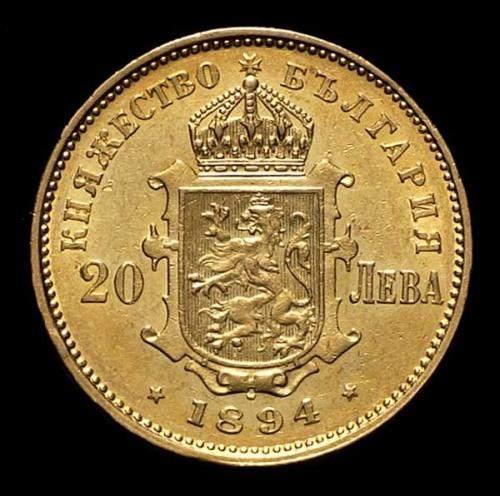


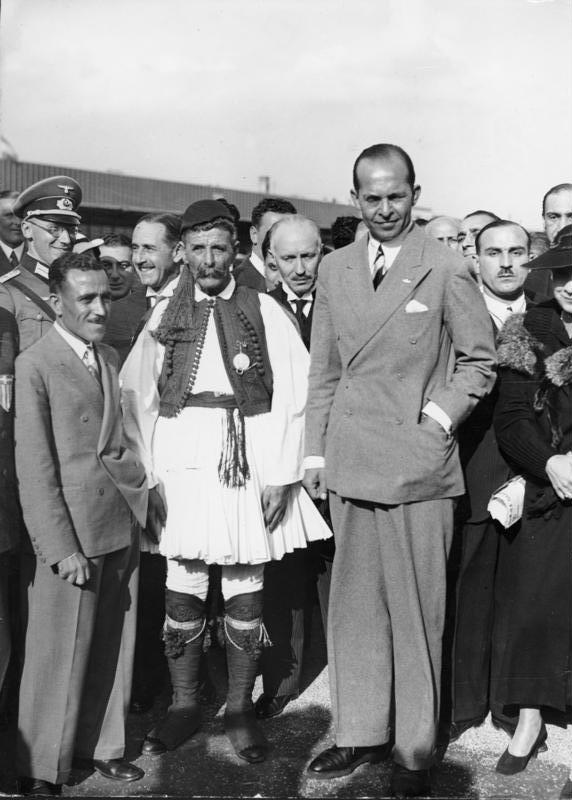


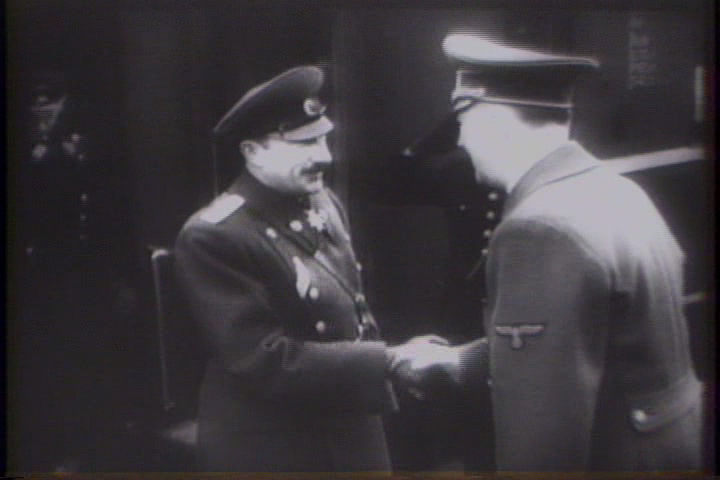


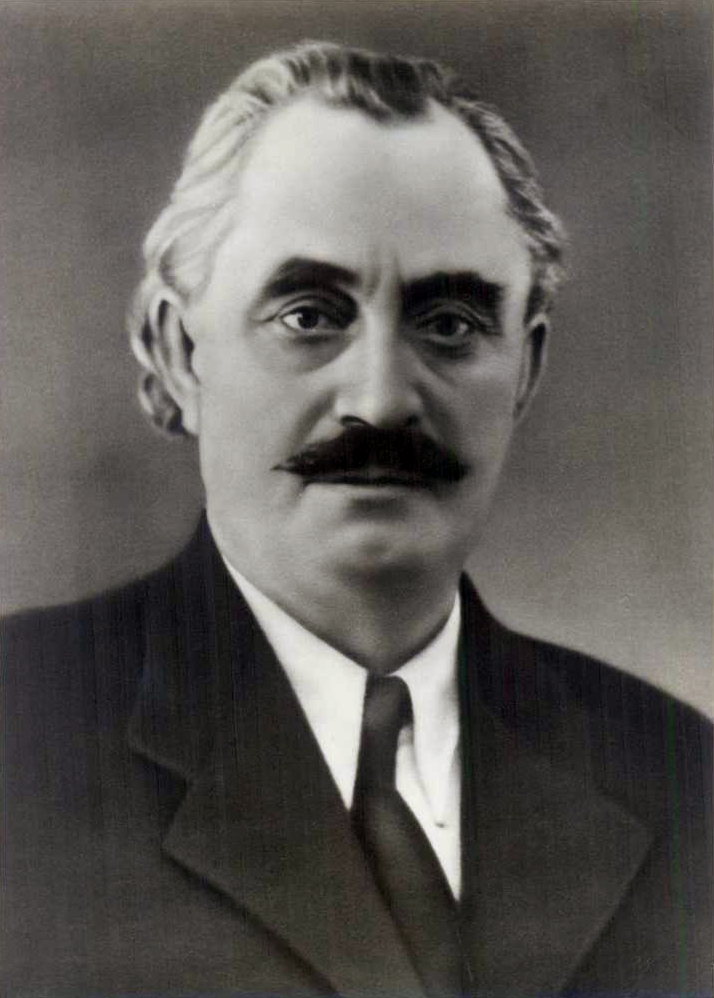


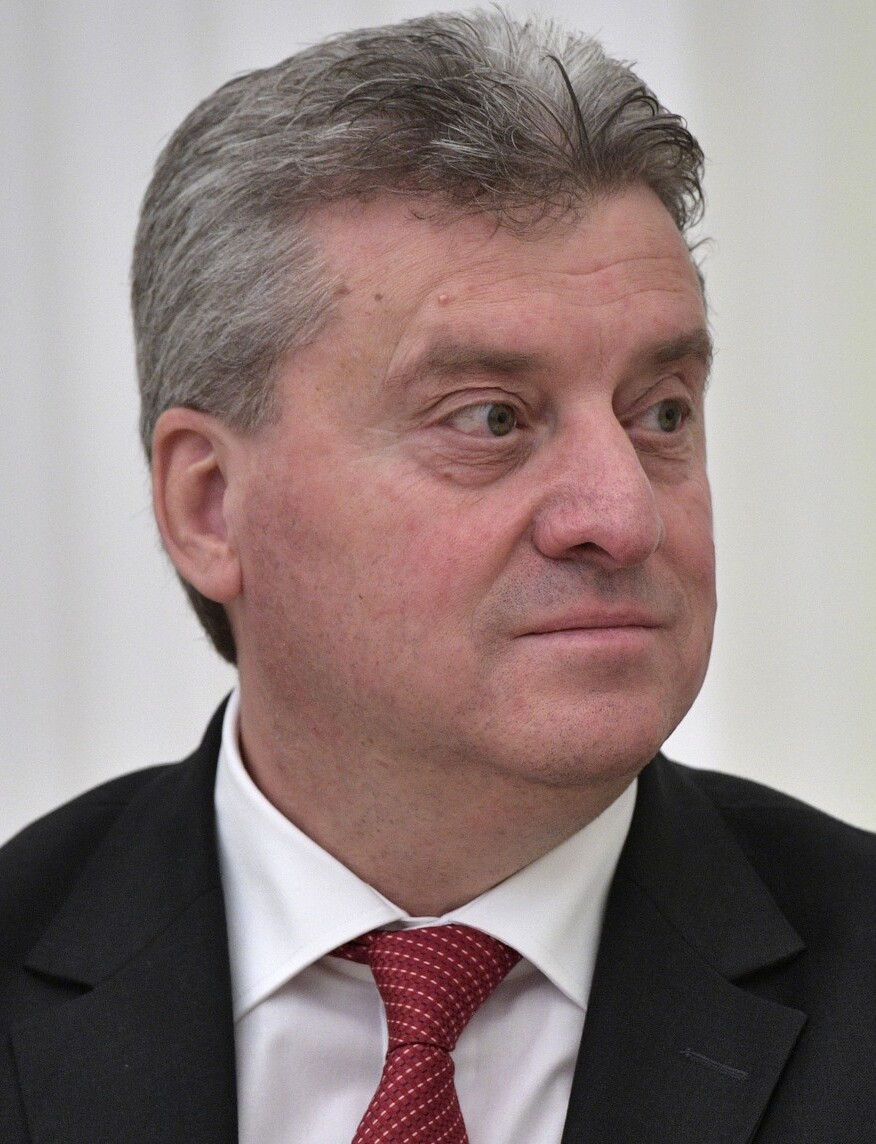


Origins and Founding