Helvetic Republic
1799 CE – 1814 CE · Capital: Aarau (1798), Lucerne (1798–1799), Bern (1799–1803) · 40,154 km²
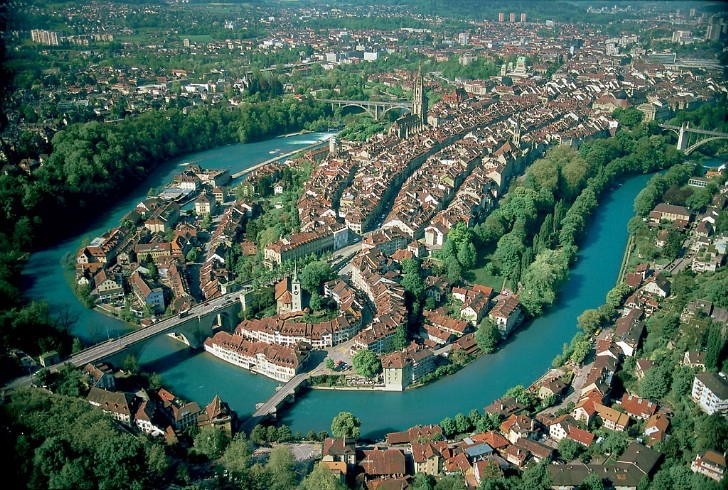
The Helvetic Republic was a sister republic of France that existed between 1798 and 1803, during the French Revolutionary Wars. It was created following the French invasion and the consequent dissolution of the Old Swiss Confederacy, marking the end of the ancien régime in Switzerland. Throughout its existence, the republic incorporated most of the territory of modern Switzerland, excluding the cantons of Geneva and Neuchâtel and the old Prince-Bishopric of Basel.
From Wikipedia: Helvetic Republic (CC BY-SA 4.0)
Origins and Founding
- Founded
- 1799 CE
- Preceded by
- Old Swiss Confederacy
- Preceded by
- Federation of thirteen cantons
- Preceded by
- Prince-Bishopric of Sion
Capitals

- Bern
- until 1803 CE
- Lucerne
- until 1799 CE
- Aarau
- until 1798 CE
Government, Society and Religion
- Government
- Unitary directorial republic
- Languages
- Romansh, Lombard, Arpitan
Coins, Currency and Symbols

- Currency
- coins of the Helvetic Republic

Flag of the Helvetic Republic (French) Made by Wikipedian Philippe317 · Public domain · Commons
Wars and Battles
Decline and Fall
- Ended
- 1814 CE
- Succeeded by
- Switzerland in the Napoleonic era
Legacy in the Modern World
The Helvetic Republic did highlight the desirability of a central authority to handle matters for the country as a whole (as opposed to the individual cantons which handled matters at the local level). In the post-Napoleonic era, the differences between the cantons (varying currencies and systems of weights and measurements) and the perceived need for better co-ordination between them came to a head and culminated in the Swiss Federal Constitution of 1848. The Republic's 5-member Directory resembles the 7-member Swiss Federal Council, Switzerland's present-day executive.
Read more
The Helvetic Republic is still very controversial within Switzerland. Carl Hilty described the period as the first democratic experience in Swiss territory, while within conservatism it is seen as a time of national weakness and loss of independence.
From Wikipedia: Helvetic Republic · Legacy (CC BY-SA 4.0)