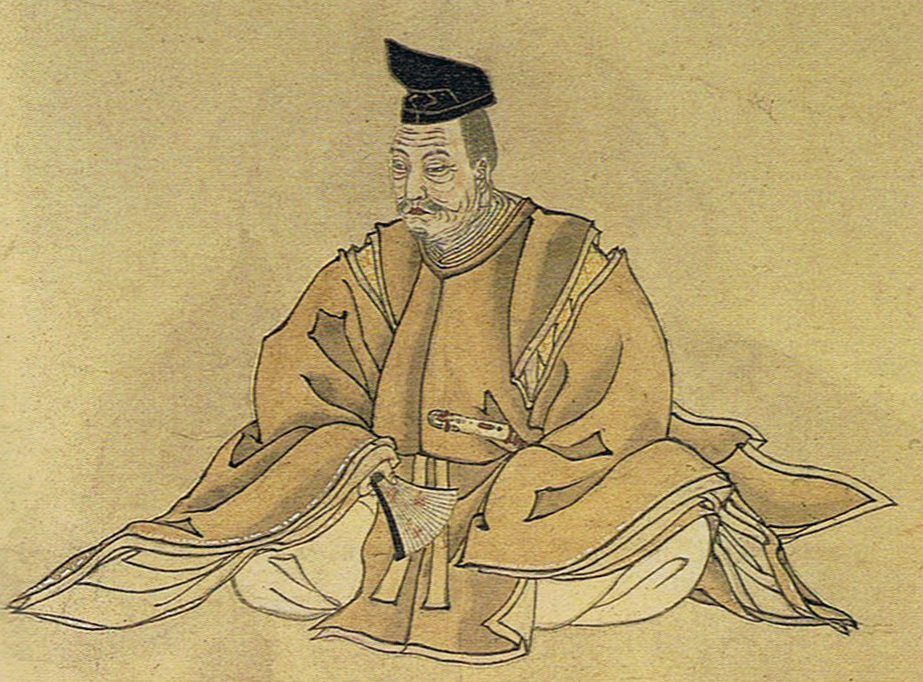
Asuka Japan
540 CE – 709 CE · 230,061 km²

The Asuka period (飛鳥時代, Asuka jidai; Japanese pronunciation: [a.sɯ̥.ka ((d)ʑiꜜ.dai)]) was a period in the history of Japan lasting from 538 to 710, although its beginning could be said to overlap with the preceding Kofun period. The Yamato polity evolved greatly during the Asuka period, which is named after the Asuka region, about 25 km (16 mi) south of the modern city of Nara. The Asuka period is characterized by significant artistic, social and political transformations, which originated earlier during the late Kofun period.
From Wikipedia: Asuka period (CC BY-SA 4.0)
Origins and Founding
- Founded
- 540 CE
- Preceded by
- Kofun period
Achievements and Monuments
Some architectural structures built in the period still remain today. Wooden buildings at Hōryū-ji, built in the seventh century, show some influence from Chinese and west Asian countries. For instance, the pillars at Hōryū-ji are similar to the pillars of the Parthenon of ancient Greece, as seen in their entasis. The five-storied pagoda (五重の塔, go-jū no tō) is a transformation from the Indian mound-like reliquary structure called a stupa. In addition, mural paintings in the Takamatsuzuka and Kitora kofun dating from the fifth century show strong influence from Tang dynasty and Goguryeo wall painting.
Read more
The Japanese Buddhist sculpture art of this period is believed to have followed the style of the Six Dynasties of China.
From Wikipedia: Asuka period · Art and architecture: Asuka culture (CC BY-SA 4.0)
 Asuka Kiyomihara PalaceSaigen Jiro · CC0 · Commons


 Hōkan Miroku小川晴暘 · Public domain · Commons
 Kitora Tomb8-hachiro · CC BY-SA 4.0 · Commons
 Takamatsuzuka Tomb8-hachiro · CC BY-SA 4.0 · Commons
Decline and Fall
- Ended
- 709 CE
- Succeeded by
- Nara period
Legacy in the Modern World
Taoism was also introduced during the Asuka period. The octagonal shape of monarchs' tombs of this age and the celestial maps drawn in the Kitora and Takamatsuzuka kofun reflect the Taoist cosmology.
Read more
Taoist belief was eventually amalgamated with Shintō and Buddhism to establish new styles of rituals. Onmyōdō (陰陽道), a sort of Japanese geomancy and cosmology, is one of the fruits of these religious mixtures. While the Asuka period started with conflicts between clans over religious beliefs, later in the period, the imported religions became syncretized with Japan's native folk beliefs.
From Wikipedia: Asuka period · Influence of Taoism (CC BY-SA 4.0)